
Beekeeping suits. They come in different styles, but all serve the same purpose: to protect beekeepers from stings during hive work. Because of that, you may think you can purchase one suit and use it year-round. While this is technically true, you may run into issues in summer if you bought a heavy, thick suit that isn’t very breathable, or trouble in winter with a lightweight jacket. Consequently, Dadant & Sons recommends keeping seasonality in mind while choosing protective gear, and ideally picking out a few pieces rather than one catch-all. Here are our tips for choosing beekeeper suits based on whether it’s spring, summer, fall, or winter.
Spring
Spring! The snow melts, and fresh activity starts showing up around the bee yard. Your bees start to stir after spending the cold months clustered inside the hive.
In spring, the queen starts laying, and the worker bees leave the hive in search of pollen and nectar to feed the growing brood. Back in the hive, other workers repair comb, clean cells, and manage moisture from winter condensation. It’s a season of rebuilding after a long, hard winter that used up stored food and slowed the colony down.
This is also when beekeepers start checking colonies more often. Spring hive work usually focuses on brood patterns, remaining food stores, and early signs that the colony may need more room.
Best Suit Choice for Spring
In spring, the temperatures rise week by week, but it’s still cold out during many early inspections. You want gear that keeps you warm without causing you to overheat once the sun comes out. In early spring, you may still want to wear your winter beekeeping jacket or a heavier suit. As it warms up, you can switch to lighter protective clothing with better airflow.
In terms of colony temperament, bees aren’t particularly aggressive in spring. They’re busy raising brood, gathering food, and cleaning the hive. Since there’s a lower sting risk, you can get away with lighter layers if your bees handle well and the weather cooperates.
With all this in mind, the best suit for spring is a lightweight full suit or a jacket with a veil.

Summer
After spring comes summer. At this point, temperatures can become unbearably hot. You start to feel sweat running down your back while you’re out in the bee yard. Your bees feel the heat, too. During summer, they start to bring water into the hive to cool it down.
Besides managing the heat, bees also shift into production mode in summer. They built their population and food stores back up in spring and are now ready to store as much honey as the season allows. They forage heavily, cure nectar, guard the entrance, and keep the brood nest active while the colony runs near peak strength.
For beekeepers, summer hive work often takes longer because the colonies are larger and honey supers need attention. You may also spend more time checking airflow through the hive so the colony can tolerate the heat.
Best Suit Choice for Summer
It’s hot. The suit you wore through winter and early spring is now much too heavy and restrictive. You need something lighter, something more breathable.
You also need something with full protection. Summer is “angry bee season.” They’re dealing with heat stress, high populations with crowded brood boxes, and stronger pressure to protect stored honey. As a result, they’re a bit more trigger-happy and prone to defensive behavior during inspections.
For summer, wear a ventilated full suit, with a secure veil. That will give you the most protection without making you overheat.
Fall
Summer is over. Now it’s fall. Plants start to wilt. Leaves fall from trees. The temperature slowly, but surely drops.
By early fall, the honey stores bees built up over summer are usually ready for harvest. Colonies may continue to bring in nectar from late-blooming plants, which can culminate in a smaller second harvest, but generally, honey production comes to a halt during this season. Bees shift gears into preparing for the coming winter. The queen stops laying as much. Workers forage less. Bees start to use propolis to insulate the hive and seal small gaps.
Fall gives beekeepers a lot of practical end-of-season work. This is the time to pull honey, check winter food stores, reduce entrances, and make final adjustments before cold weather settles in.
Best Suit Choice for Fall
In early fall, you can keep using the ventilated suit from summer. It’ll still be pretty hot, and your bees will still be riled up. As the temperature reaches lower lows, switch to medium-weight protective clothing to keep yourself warm. Your bees will start to act less aggressive as the colder weather makes them slower and less active, as well.
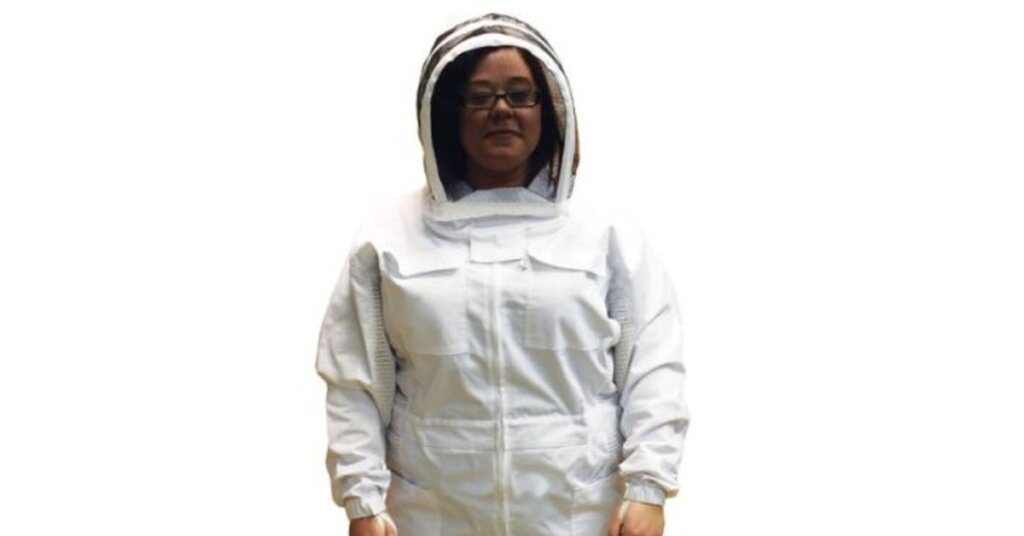
For fall, the best choice is a ventilated suit in early fall and a medium-weight full suit later in the season.
Winter
Winter brings the quietest stretch of the beekeeping year. The bee yard slows down, the air gets sharp, and the colony stays tucked inside the hive for warmth. You won’t inspect frames the way you do in warmer seasons, but you may still check entrances, clear snow, monitor ventilation, and look for signs that the colony has enough food.
During winter, bees form a tight cluster around the queen. They use stored honey for energy and vibrate their flight muscles to produce heat. The queen lays very little, or stops laying for part of the season, while workers stay close together and move through the hive as a group when they need to reach stored food.
Best Suit Choice for Winter
In winter, warmth matters more than airflow. The ventilated suit from summer allows too much cold air through the fabric, so it doesn’t make sense for cold-weather hive work. A heavier full suit or warm beekeeping jacket gives you better comfort.
Bees usually act less aggressive in winter because the cold makes them slower and less active. That doesn’t mean you should skip protection. If you disturb the cluster or open the hive during an emergency check, bees can still defend themselves.
A heavy full suit or insulated beekeeping jacket with a veil gives you the warmth and coverage you need for winter.
Picking The Right Suit
How do you choose the right beekeeping suit for the season? It comes down to factors like how light and breathable you need your gear to be, and how active your bees are during that time of year.
At Dadant & Sons, we sell beekeeping suits, along with jackets and standalone veils. Shop our options and build out your wardrobe. Most beekeepers like to have a few options on hand they can swap out depending on the season; for example, a ventilated jacket for summer and a full suit with room for layers in winter.