
When working near or handling their bees, beekeepers need to wear protection so they don’t get stung. The traditional beekeeper getup includes a full white suit, gloves, and a veil—you know, that classic look you see in movies and documentaries.
But do you really need all of that gear? Many new beekeepers wonder if they should invest in the full suit that they see experienced apiarists wearing. At the same time, they may also see the more simple bee jacket on offer and wonder if that would work instead.
If you’re unsure what level of protection you need, let’s break down the differences between bee jackets and full suits so you can make an informed decision. After all, there’s no one-size-fits-all answer—your choice depends on your experience level, comfort preferences, and the temperament of your hive.
What Are Bee Jackets?
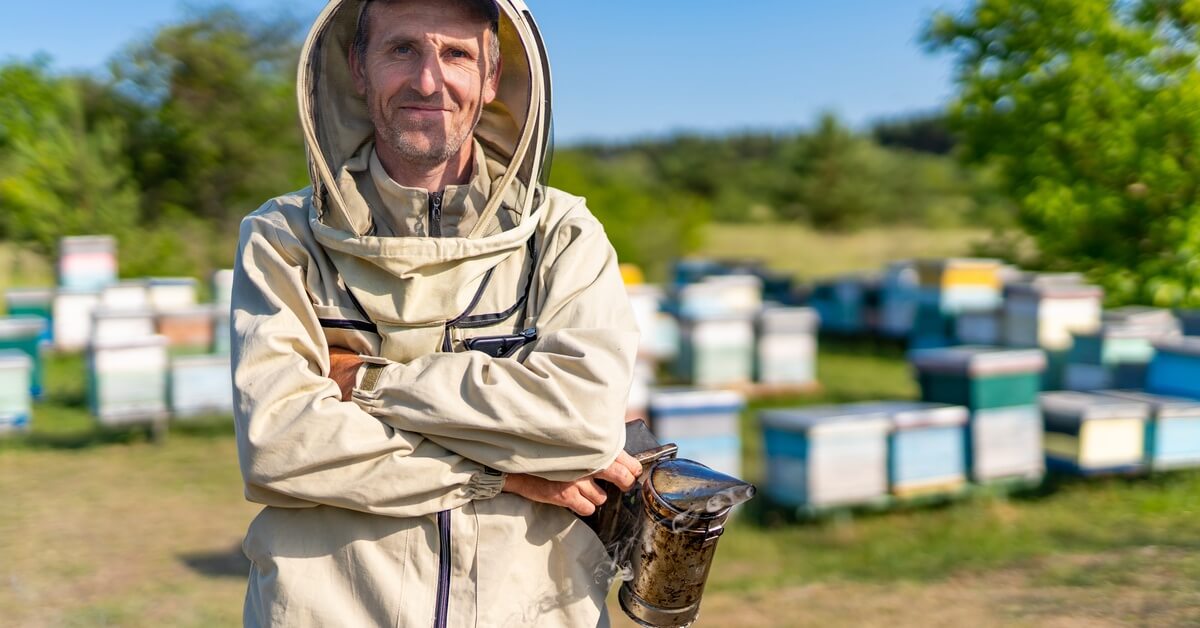
A bee jacket is basically the upper half of a full beekeeping suit. It covers your torso, arms, and head with an attached veil, but leaves your legs exposed below the waist.
Most bee jackets extend down to about mid-thigh or knee length. You’ll pair them with long pants (preferably light-colored and tightly woven) to complete your protective gear.
Lightweight and Breathable
One of the biggest advantages of bee jackets is their lighter weight compared to full suits. You won’t feel as bundled up, which is a real boon during those hot summer inspections.
The reduced fabric also means better airflow around your lower body. This can help prevent overheating when you’re spending extended time in the apiary.
More Affordable Option
Bee jackets typically cost less than full suits since they use less material. For beginners who want to test the waters before investing in premium gear, this price difference can be appealing.
You can often find quality bee jackets for $30-60, compared to $80-150 for full suits.
Greater Mobility
With less fabric around your legs, you’ll have more freedom of movement. This can be particularly helpful when you need to crouch down, kneel, or move quickly around your hives.
Some beekeepers find that full suits can feel restrictive, especially around the crotch and thighs area.
Easy to Put On and Take Off
Bee jackets are generally quicker to slip on and off compared to full suits. There are fewer zippers and less fabric to wrestle with.
This convenience factor can be nice when you’re just doing a quick hive check or honey harvest.
What Are Full Suits?
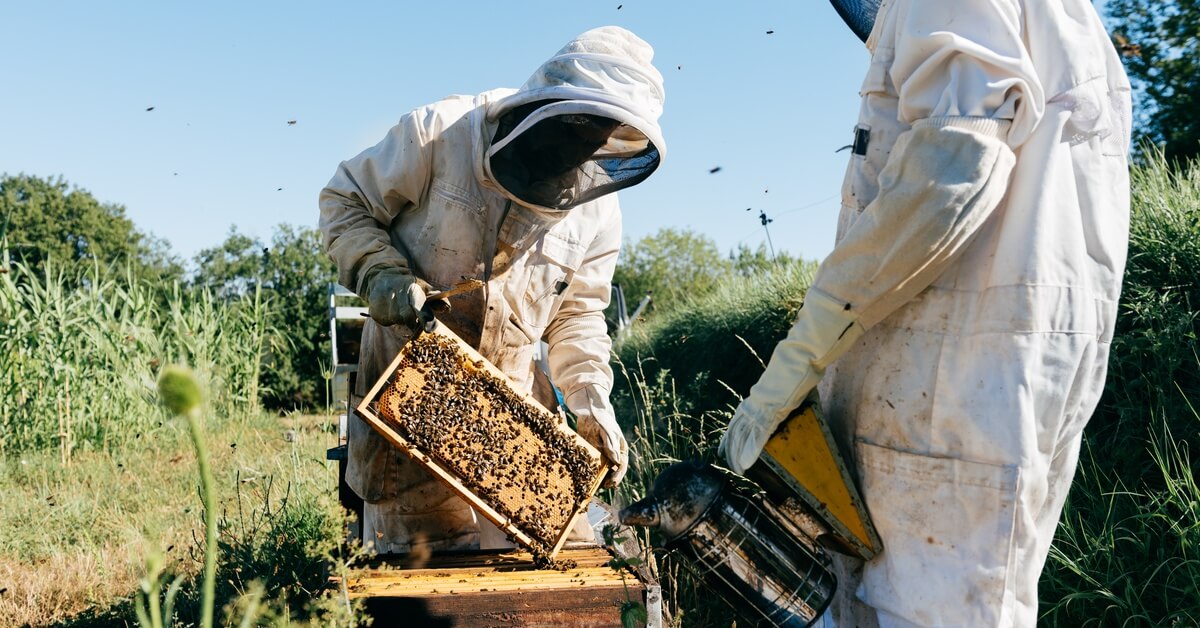
A full beekeeping suit covers your entire body from head to toe. It includes the jacket portion with attached veil, plus full-length pants or coveralls that connect at the waist.
Most full suits come in either two-piece designs (separate jacket and pants) or one-piece jumpsuits.
Maximum Protection
Full suits offer complete coverage, which means no exposed skin for bees to target. This comprehensive protection can give nervous beginners extra confidence.
You won’t have to worry about gaps between your jacket and pants, or bees crawling up your legs if they get defensive.
Professional Appearance
There’s something about a full white beekeeping suit that looks official and professional. If you’re planning to offer beekeeping services, teach classes, or give demonstrations, the complete suit projects expertise. Many commercial beekeepers prefer the polished look that full suits provide.
Built-in Coordination
With a full suit, you don’t have to think about matching separate pieces or making sure your pants provide adequate protection. Everything is designed to work together.
The integrated design also eliminates potential gaps in coverage that could occur with mix-and-match pieces.
Durability Advantages
Full suits often come with reinforcements in the knees, elbows, and other high-wear areas. This extra reinforcement can extend the life of your protective gear.
The coordinated construction also means seams and stress points are engineered as part of the complete system.
Which One Is Right for You?
Choosing between a bee jacket and full suit comes down to several personal factors. Let’s walk through the main considerations:
Your Experience Level
New beekeepers often benefit from the psychological comfort of maximum protection. If you’re still nervous around your bees, a full suit might help you feel more confident during inspections.
Experienced beekeepers who are comfortable with their colonies may find bee jackets provide adequate protection with better comfort.
Climate and Season
Hot, humid climates favor bee jackets for their superior ventilation. The reduced fabric can prevent dangerous overheating during summer hive work.
Cooler regions or spring/fall beekeeping might make full suits more comfortable since the extra coverage can provide warmth.
Hive Temperament
Gentle bee colonies with calm temperaments may not require full-body protection. A jacket might be perfectly adequate for routine inspections.
Defensive or aggressive hives could warrant the extra protection of a full suit, especially during honey harvest or hive manipulations that stress the colony.
Frequency of Use
Casual hobbyists who check their hives monthly might prefer the convenience and lower cost of a bee jacket.
Regular beekeepers or those managing multiple hives often appreciate the comprehensive protection and professional appearance of full suits.
Personal Comfort Preferences
Some people feel claustrophobic in full suits and prefer the freedom of bee jackets. Others feel more secure with complete coverage.
Consider your own comfort level and any physical limitations that might make one option more appealing.
Budget Considerations
Bee jackets offer a lower entry cost, which can be attractive for beginners or budget-conscious hobbyists.
Full suits represent a bigger upfront investment but may provide better long-term value through improved durability and comprehensive protection.
Finding Your Perfect Fit
Both bee jackets and full suits provide enough coverage to protect from bee stings—which is right for you comes down to things like your comfort levels, experience, and local climate conditions.
At Dadant & Sons, we carry beekeeping suits that are full suits complete with attached veils and integrated protection. They provide comprehensive coverage for beekeepers who want maximum protection and professional appearance.
We also stock individual bee protection pieces such as coveralls, jackets, and bibs for those who prefer to customize their gear or replace specific components. Shop our collection to get the right gear for your next hive inspection.