
Urban beekeeping has grown popular as cities continue to expand and people look for ways to connect with nature amid concrete and steel. Beekeeping in the city offers a unique opportunity to support pollinators, improve local ecosystems, and enjoy the incredible reward of fresh, natural honey harvested by your own hands.
This guide will provide tips and guidelines to integrate beekeeping into city life, from setting up your first hive to becoming an ambassador for bees in your community.
Benefits of Urban Beekeeping
When you think about beekeeping, you might imagine idyllic landscapes dotted with wildflowers, but city environments have increasingly become excellent homes for bees. Urban beekeeping brings with it a host of environmental and personal benefits.
By raising bees in cities, you directly contribute to the environment and combat the decline of pollinators. Bees are essential for pollination, and with their populations under threat, urban beekeepers provide safe spaces for them to thrive. Plus, cities are often surprisingly rich in floral diversity, with gardens, parks, and urban greenery offering various pollen and nectar sources for your bees.
Apart from the environmental benefits, beekeeping also has a deeply personal impact. It can be a meditative and rewarding hobby that allows you to witness firsthand the intricacies of bee behavior. There’s a sense of fulfillment in helping such an important species thrive while reaping the reward of natural honey. Additionally, urban beekeeping can connect you to a community of like-minded individuals who share an appreciation for sustainability and nature.
Legal Considerations
Each city has its own rules regarding urban beekeeping, so you must investigate the requirements and regulations in your area. Some cities may require beekeeping permits or have restrictions on the number of hives you can maintain. Others might specify minimum distances between hives and property lines or require you to inform your neighbors before setting up your apiary.
Beekeeping in cities often comes with a responsibility to maintain harmony with the people living around you, so adherence to regulations is essential for a smooth, positive experience. You should also explore whether liability insurance is necessary or recommended to protect yourself in the event of a dispute or unexpected incident. Being transparent and staying informed makes it easy to comply with local laws and establish trust within your community.
Setting Up Your Urban Apiary

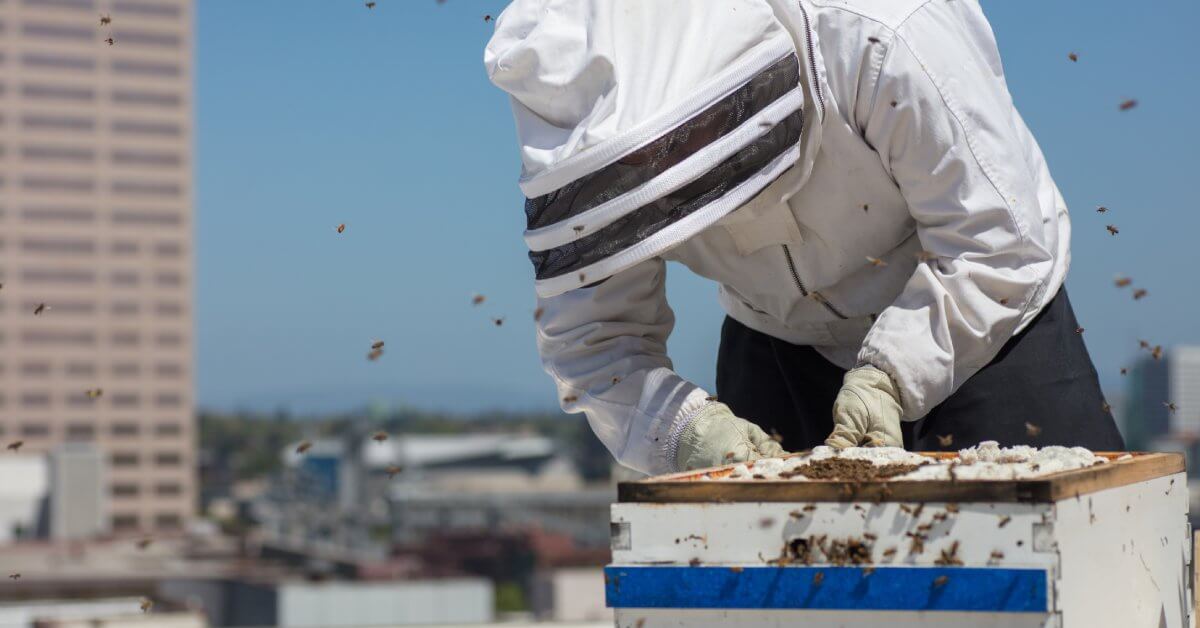
The first tip for integrating beekeeping into city life is to select the right location for your hive. Look for a space that gets plenty of sunlight throughout the day but is also protected from strong winds. Rooftops, balconies, and small backyards can all work as long as bees have access to nearby water sources. If a natural water source isn’t available, you can provide one by placing shallow dishes filled with water nearby.
Choosing the right hive type is another important step. For urban settings, consider compact and manageable hive designs that are easy to maintain in small spaces. An 8-frame beehive kit gives you everything you need to get started with your apiary.
Managing Your Bees
Routine maintenance includes feeding your bees during seasons when nectar sources might be scarce. While city environments offer diverse flowers for bees, there will still be times when supplemental feeding is beneficial.
Regular health checks are essential for confirming that the colony doesn’t have pests or diseases. Learning to recognize early signs of problems within the hive allows you to take action quickly and protect your bees. Preventing swarms is another critical aspect of beekeeping. Swarming is a natural behavior, but it’s important to manage it proactively in urban settings to avoid alarming neighbors. Providing enough space within the hive and monitoring the colony for signs of overcrowding can prevent swarms.
Harvesting Honey
Harvesting honey is one of the most rewarding parts of beekeeping. Gently remove honeycomb frames from the hive. Use proper equipment, such as honey extractors, to minimize disturbance to the bees. Handle honey harvesting responsibly by leaving enough for the colony to thrive. Bees work tirelessly to produce honey, and taking too much can put their survival at risk. Urban beekeeping isn’t just about reaping the rewards for yourself; it’s about fostering a balance between human enjoyment and supporting the bees’ natural needs.
Community Engagement
Beekeeping in the city goes beyond just managing your hive. Engaging with your local community is an excellent way to strengthen relationships, promote awareness about pollinators, and create goodwill among your neighbors. Informing those who live nearby about your beekeeping activities prevents misunderstandings. Keep your neighbors informed about how your hives are being managed and how you’re minimizing potential risks.
There are countless ways to build community engagement through beekeeping. Offering free honey to your neighbors is always a kind gesture and a delightful way to say thanks for being good bee neighbors. Attending local farmers markets with honey from your hive is another great way to meet other members of your community, make some money off your hive products, and even spread awareness about pollinators.
Hosting educational workshops or inviting local schools to visit your apiary can inspire future beekeepers and teach the next generation about the importance of bees. Collaborating with conservation groups or participating in community gardening projects are additional ways to strengthen your ties within the neighborhood while further supporting pollinator-friendly initiatives. These efforts take your beekeeping efforts further and allow you to have even more of a positive impact on your community and the overall environment.
Start Your Urban Beekeeping Journey With Dadant
Urban beekeeping is an enriching, impactful activity that allows you to reconnect with the natural world, even in the heart of the city. From supporting threatened pollinator populations to harvesting your own supply of honey, the benefits are abundant and fulfilling. Stock up on all your beekeeping necessities when you visit Dadant & Sons today.