
Managing a beehive is a year-round commitment that changes with the seasons. Just as flowers bloom and fade, the needs of your honeybee colony shift throughout the year. Keeping up with these changes is the key to a healthy, productive hive.
A seasonal checklist helps you stay organized and ensures you know what to do every month in your apiary. By following a consistent management plan, you can support your bees’ natural cycles, from the busy days of summer honey production to the quiet stillness of winter.
Spring: Waking the Hive
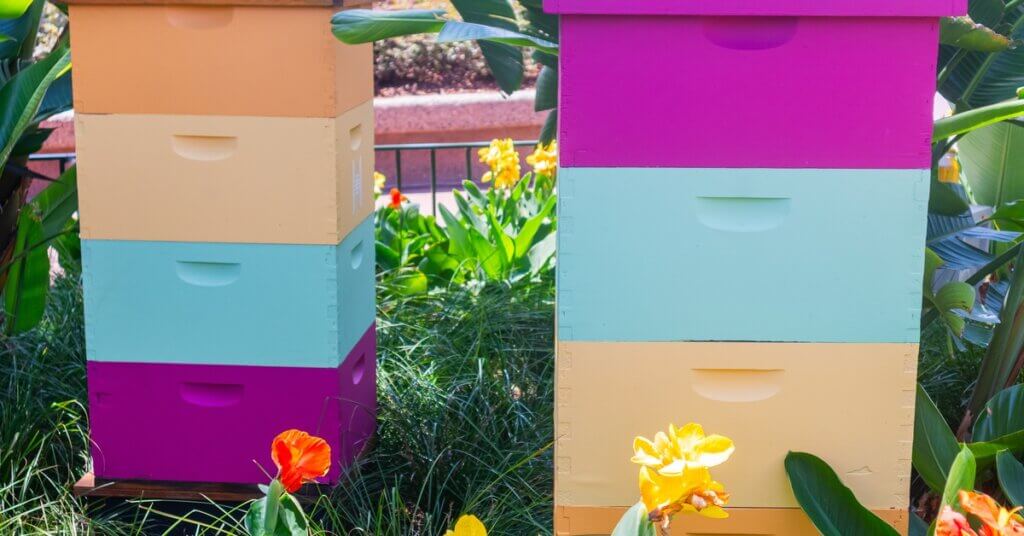
Spring is a time of renewal and rapid growth for your colony. As the weather warms and flowers begin to bloom, the queen bee ramps up laying eggs, and the hive’s population explodes.
Your primary role during these months is to support this expansion, ensuring the bees have everything they need to build a strong workforce for the main nectar flow.
March: First Look
As winter’s grip loosens, your first task is a quick, early inspection on a warmer day—ideally when temperatures are above 60 degrees. You want to confirm that the colony survived the winter and the queen is alive and laying eggs. You can often spot new eggs or young larvae without having to find the queen herself.
Check the bees’ food stores, as this is a critical time when their winter reserves may be low, but natural forage is not yet abundant. If their honey stores are depleted, provide supplemental feeding with sugar syrup or pollen patties to give them the energy they need to raise the new generation of bees.
April: Gearing Up for Growth
Once spring is in full swing, the colony’s population begins to expand tremendously. Your inspections should become more regular, about every 7 to 10 days.
During these checks, continue to monitor their food supply, but also pay close attention to the available space. You may need to add a new hive body or honey super to prevent overcrowding, which can lead to swarming.
May: Swarm Prevention
By May, the hive is buzzing with activity, and swarm season is in full swing. Swarming is a natural process for bee colonies to reproduce, but it means you could lose half of your workforce and your queen. Swarm management is your main job this month.
During your regular inspections, look for signs of swarm preparation, such as the presence of queen cells, which look like peanut shells hanging from the bottom of frames. If you find them, you can take steps to prevent the swarm, such as splitting the hive or providing more space. Continue adding supers as needed to give the bees ample room for incoming nectar.
Summer: The Season of Honey
Summer is the peak of the beekeeping season. The colony is at its largest, and the bees are working tirelessly to collect nectar and pollen from the abundance of blooming flowers. Your focus shifts from encouraging growth to maintaining a healthy and productive environment for honey production.
June: Peak Production
June brings the main nectar flow in many regions. The hive should be bustling, and the bees will be actively filling the honey supers. Continue your weekly inspections to monitor the hive’s health and honey stores. Also, be vigilant for pests like varroa mites, as their populations can grow rapidly during this time.
July: Mid-Summer Maintenance
As the summer heat intensifies, ensure your bees have a reliable water source nearby. Focus on hive health and checking the progress of the honey harvest during your inspections. Keep an eye out for any signs of stress or disease, as a strong hive is better equipped to handle the challenges of late summer.
August: The Honey Harvest
Late August is often the time for the main honey harvest. You can begin removing frames of capped honey from the supers. It is vital only to take the surplus honey and leave plenty for the bees to survive the coming winter.
Autumn: Preparing for the Cold
As summer fades into autumn, the bees’ activities begin to slow down. The days get shorter, the temperatures cool, and the available forage dwindles. Your role shifts to preparing the colony for the long, cold months ahead.
September: Winter Food Stores
After the honey harvest, your first priority is to assess the hive’s food reserves for winter. A strong colony needs a substantial amount of honey to generate heat and survive until spring. At this time, you should also consider combining any weak colonies with stronger ones, as a small cluster of bees has a much lower chance of surviving the winter.
October: Winterizing
As the weather cools, you can begin to winterize the hive. Reduce the hive entrance to prevent mice and other pests from moving in. You may also want to wrap the hive with insulation or create a windbreak to protect it from harsh winter winds.
November: Final Preparations
By November, the bees are starting to form their winter cluster. Make sure the hive is well-ventilated to prevent moisture buildup, which can be fatal to the colony. Once your final checks are complete, your goal is to avoid disturbing the hive until spring.
Winter: Rest and Planning

The winter months are a quiet time for your apiary, but there’s still plenty to do in your seasonal checklist. The bees are clustered inside the hive, conserving energy and consuming their honey stores to generate heat. Avoid disturbing them and turn your focus instead to tasks away from the hive, such as equipment maintenance, education, and planning for the upcoming season.
December: Hands-Off Monitoring
Your main task in December is to leave the bees alone. This is a great time to start planning for next year. Order any new equipment you’ll need, like frames, hive bodies, or protective gear, so you’re ready when spring arrives.
January: Equipment Maintenance
January is the perfect month to take care of your beekeeping equipment. Clean and repair any used hive bodies, supers, and frames. You can also build and assemble new equipment. Having everything ready to go before the busy spring season will save you a lot of time and stress. This is also an excellent opportunity to read beekeeping books and articles to expand your knowledge.
February: Anticipating Spring
As winter nears its end, you can perform a quick check on a warmer day by lifting the back of the hive to gauge its weight. A heavy hive indicates they still have plenty of honey stores. If it feels light, you may need to provide emergency winter food.
Continue your planning for the upcoming season and start getting excited for the moment you can open the hive and see your colony thriving once again.
Your Year-Round Beekeeping Partner
Consistent, season-appropriate management is the foundation of successful beekeeping. You can ensure you have the right tools for the job when you partner with Dadant and Sons. Stock up on protective clothing for bees and other essential beekeeping gear when you shop today.